When to intervene and when to hold back — your guide to balancing chemical and biological control.
Integrated Pest Management (IPM) is not about avoiding chemical control — it is about using every tool available, in the right order, so that chemical intervention is targeted, effective and used only when it is truly needed.
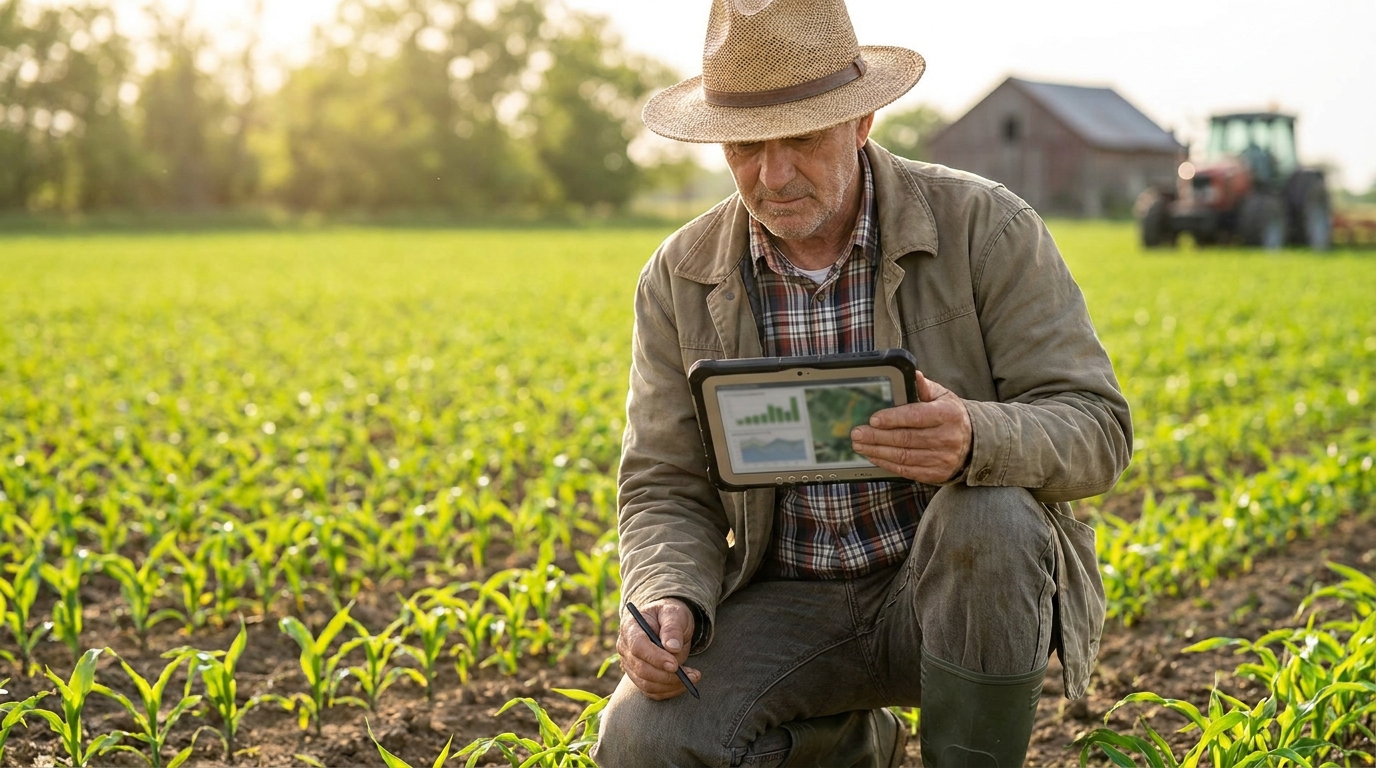
The foundation of IPM is monitoring. Regular field scouting establishes a real pest-pressure baseline instead of a reactive guess, and lets you distinguish a manageable, low-level presence from a genuine outbreak worth treating.
Economic thresholds are the second pillar: intervening only once pest pressure reaches a level where the cost of inaction exceeds the cost of treatment. Spraying preventively on a fixed schedule, regardless of actual pressure, wastes input cost and accelerates pest resistance.
Biological and cultural controls — beneficial insects, crop rotation, resistant varieties and field sanitation — should be the first line of defense wherever practical. They suppress pest populations without the resistance risk that comes from relying on a single chemical mode of action.
When chemical control is warranted, rotating between different active-ingredient classes preserves their long-term effectiveness and slows the development of resistant pest populations.
The result of a properly run IPM program is fewer, better-timed applications, lower overall input cost, and crop protection that keeps working season after season instead of losing effectiveness.