Modern irrigation management methods that cut water waste while raising productivity.
Water is the input growers can least afford to waste, yet it is often the least precisely managed. Moving from a fixed irrigation schedule to a demand-driven one is usually the single highest-return change a farm can make.
Start by understanding your crop's actual water demand at each growth stage rather than irrigating on a fixed calendar. Water needs shift significantly between establishment, vegetative growth and reproductive stages — applying the same volume throughout the season either stresses the crop early or wastes water later.
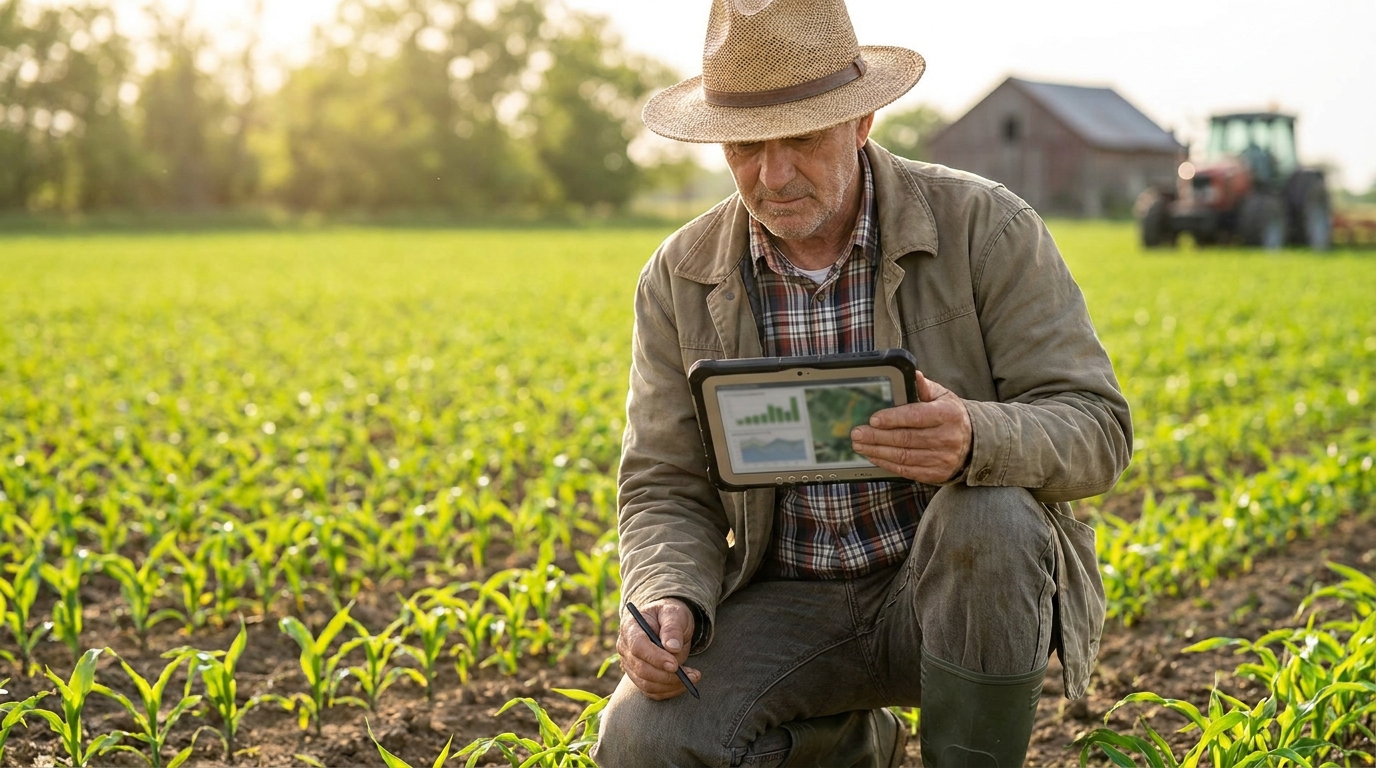
Soil moisture monitoring, even with simple tools, removes most of the guesswork. Checking moisture at root depth before each irrigation event prevents both premature stress and the yield-robbing effects of waterlogging.
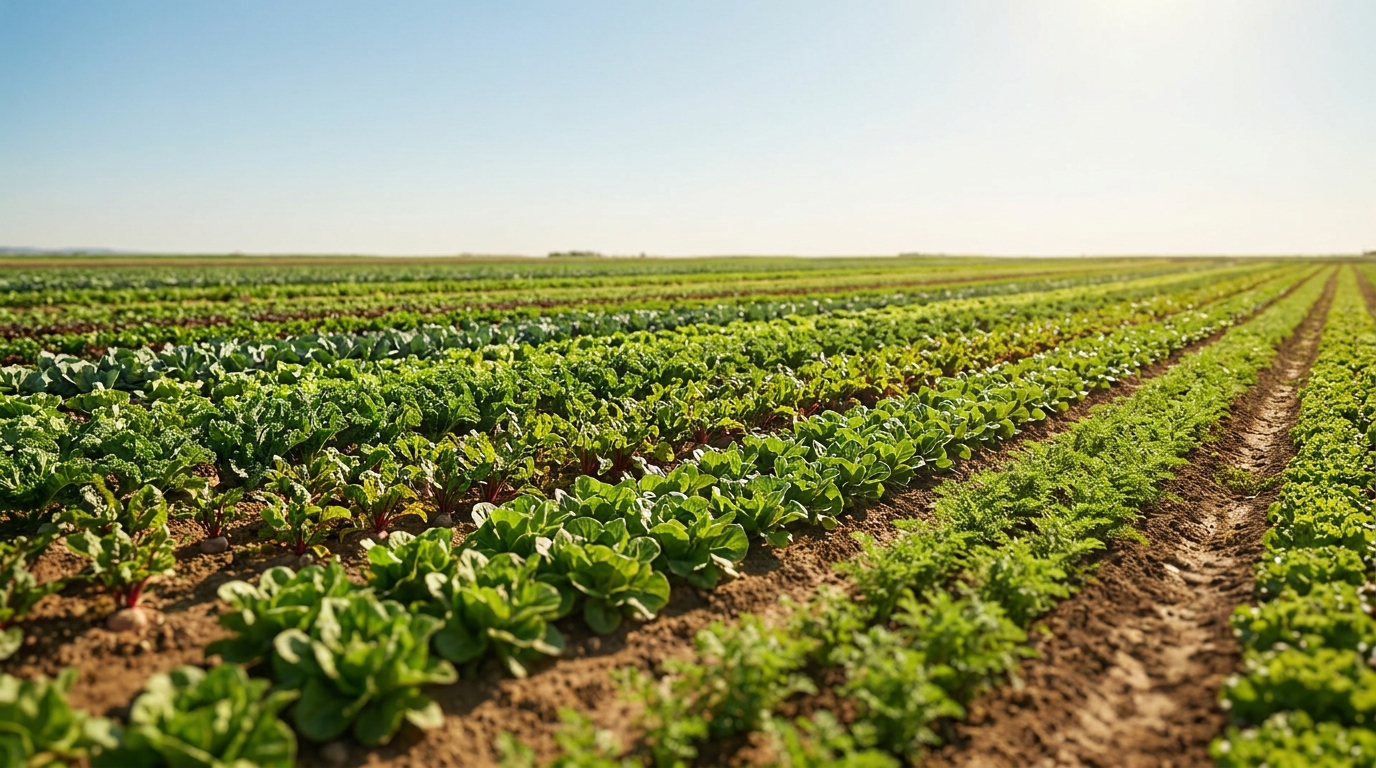
Drip and micro-irrigation systems consistently outperform flood irrigation on water-use efficiency, often cutting consumption by 30–50% while improving uniformity across the field. The upfront investment is recovered quickly through both water savings and yield consistency.
Timing matters as much as volume. Irrigating during early morning or evening hours reduces evaporative loss significantly compared with midday application, especially in hot, dry conditions.
Finally, pair irrigation planning with your fertilization program. Fertigation — delivering nutrients through the irrigation system — improves nutrient uptake efficiency and reduces the number of separate field operations needed across the season.